Turn Your Paddle Board Into a Floating Fitness Space
A stable inflatable paddle board can support relaxed movement, light fitness, stretching, balance practice, and peaceful time outdoors on calm water.
SUP yoga combines gentle movement with calm water and fresh air. With the right inflatable paddle board, beginners can enjoy balance practice, stretching, seated comfort, and relaxing outdoor fitness without complicated gear.
SUP yoga is one of the most peaceful ways to enjoy paddle boarding. Instead of racing across the water, you slow down, breathe, stretch, balance, and connect with the outdoors. The experience feels different from a studio workout because the board moves gently with the water, helping you focus on balance and control.
For beginners, the right inflatable paddle board matters. A yoga-friendly board should feel stable, comfortable, and easy to manage. It should give you enough space to kneel, sit, stretch, and move without feeling crowded. It should also be portable enough for lake trips, beach mornings, and weekend wellness routines.
Some paddlers also like using an inflatable paddle board with seat before or after yoga. A paddle board with seat can make the trip to a calm spot more comfortable, especially if you want to sit and paddle slowly before beginning your movement practice.
Whether you are a first-time paddler, casual fitness user, weekend traveler, or lake lover, this guide explains how to choose and use an inflatable paddle board for SUP yoga and relaxed outdoor fitness.
Best For
SUP yoga beginners, calm-water paddlers, lake users, wellness travelers, and gentle fitness fans.
Main Feature
A stable deck, comfortable grip, and enough open space make yoga-style movement easier.
Comfort Option
A paddle board with seat can help with relaxed paddling before or after the yoga session.
Quick Answer
The best inflatable paddle board for SUP yoga should be stable, wide enough for movement, comfortable underfoot, easy to carry, and suitable for calm water. If you want extra comfort for slow cruising, choose an inflatable paddle board with seat or add a compatible paddle board seat.
Why SUP Yoga Works Best on Calm Water
SUP yoga is not about speed. It is about balance, control, breathing, and steady movement. Calm water makes the experience safer and more enjoyable because the board moves less and gives you more time to adjust your body position.
Lakes, quiet bays, and protected flat-water areas are ideal for beginners. Strong wind, waves, and heavy boat traffic can make yoga practice harder, especially if you are still learning how the board reacts to movement.
Best Water Conditions for SUP Yoga
- Calm lakes
- Protected bays
- Flat-water parks
- Quiet beach areas
- Slow-moving water with minimal wind
Stability Is the Most Important Feature
Stability matters more than speed for SUP yoga. You need a board that feels steady when you kneel, sit, shift weight, stretch, and move into basic poses. A stable inflatable paddle board helps beginners feel more relaxed while practicing.
Wider all-around boards are often easier for beginners because they provide a more forgiving platform. This allows you to focus on movement instead of constantly worrying about tipping.
Stability Helps With:
- Kneeling comfortably
- Shifting between poses
- Building beginner confidence
- Reducing nervous movement
- Enjoying a calmer outdoor fitness session
Look for a Comfortable Deck Pad
The deck pad is especially important for SUP yoga because your hands, knees, feet, and body may touch the board during different movements. A comfortable non-slip surface helps you feel secure while moving slowly.
A good deck pad should feel supportive without being too slippery. It should help you hold simple positions, kneel comfortably, and avoid unnecessary slipping when the board gets wet.
Deck Pad Benefits for SUP Yoga
- More grip under your hands and feet
- Better comfort for kneeling poses
- Less slipping during slow transitions
- Improved confidence for beginners
- More enjoyable practice on calm water
Keep the Deck Clear for Movement
For SUP yoga, open deck space is important. You need room to sit, stretch, kneel, and move without bumping into too many accessories. Keep the main practice area clear when possible.
A dry bag, water bottle, or small towel can still be useful, but they should be secured away from the main movement area. If you use a paddle board with seat, consider removing or adjusting the seat during yoga so you have more space.
Deck Organization Tips
- Secure small items before practicing.
- Keep the center deck area open.
- Use a dry bag for essentials.
- Remove the seat if it blocks movement.
- Place the paddle safely where it will not slide away.
How a Paddle Board With Seat Fits Into SUP Yoga
A paddle board with seat is not always needed during the yoga practice itself, but it can still be useful. Many paddlers like having a seat for the trip to and from their practice spot. It allows relaxed seated paddling before or after stretching.
An inflatable paddle board with seat can also be helpful for beginners who want to spend more time on the water without standing the entire session. You can sit, paddle slowly, rest, then clear the deck when you are ready for yoga movement.
Use the Seat Before Yoga
Paddle seated to a calm area and save energy before your practice.
Clear the Deck During Yoga
Remove or adjust the seat if you need more space for movement.
Use the Seat After Yoga
Sit and enjoy a relaxed cooldown paddle after stretching.
Start With Simple Movements
SUP yoga does not need to be advanced. Beginners should start with simple movements that help them understand the board. Sitting, kneeling, gentle twists, slow stretches, and easy balance work are good starting points.
Move slowly and stay low until you feel comfortable. The water adds movement, so basic poses can feel different from land-based yoga. Take your time and enjoy the process.
Beginner-Friendly SUP Yoga Movements
- Seated breathing
- Gentle seated twists
- Kneeling balance
- Slow forward stretch
- Tabletop-style balance work
- Relaxed cooldown sitting or lying on the board
Pack Light for a Better Yoga Session
SUP yoga works best when your setup is simple. Too much gear can make the board feel crowded. Bring only what you need for comfort, safety, and basic convenience.
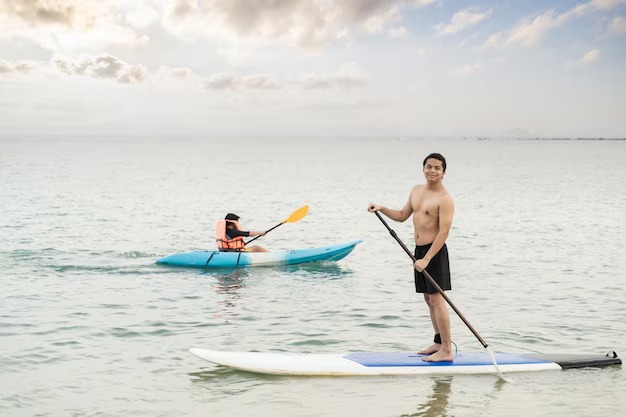
A dry bag, water bottle, towel, sunscreen, personal flotation device, leash, and paddle are usually enough for a simple calm-water session. If you use a seat, keep it secured or remove it during movement.
SUP Yoga Packing List
- Inflatable paddle board
- Paddle
- Pump
- Safety leash
- Personal flotation device
- Waterproof dry bag
- Water bottle and towel
- Optional paddle board seat for relaxed cruising
Safety Matters During SUP Yoga
SUP yoga should feel peaceful, but safety still matters. Practice close to shore when learning, avoid strong wind, and choose water where you feel comfortable. Use a personal flotation device when needed and follow local water rules.
Beginners should not practice alone in unfamiliar water. It is better to start with short sessions and build confidence slowly.
SUP Yoga Safety Tips
- Practice on calm water.
- Stay close to shore as a beginner.
- Avoid strong wind and rough water.
- Use safety gear and follow local rules.
- Move slowly and do not rush difficult poses.
Why Portability Helps With Wellness Routines
A wellness routine works best when it is easy to repeat. If your board is hard to transport, you may use it less often. That is why an inflatable paddle board is practical for people who want regular outdoor movement.
You can pack the board, take it to a calm lake, enjoy a short session, then deflate and store it at home. This makes SUP yoga and light fitness more accessible for weekend travelers, apartment dwellers, and casual outdoor users.
Portability Supports:
- Weekend lake practice
- Beach morning routines
- Travel-friendly fitness
- Easy home storage
- More frequent outdoor activity
Clean and Store Your Board After Practice
After SUP yoga, rinse your inflatable paddle board when possible, especially if you used it in saltwater or sandy areas. Dry the deck pad before rolling the board so it stays fresh and ready for your next session.
Remove accessories such as the seat, dry bag, and leash before packing. Store everything together so your next water session is easy to prepare.
After-Yoga Care Checklist
- Rinse the board if needed.
- Dry the deck pad fully.
- Remove the fin and accessories.
- Deflate and roll the board carefully.
- Store it in a cool, dry place.
Final Thoughts
An inflatable paddle board can be a great choice for SUP yoga and relaxed outdoor fitness because it is stable, portable, beginner-friendly, and easy to store. It gives you a floating space for calm movement, light balance practice, and peaceful time outside.
If you also want comfort before or after your yoga session, an inflatable paddle board with seat can add even more flexibility. With calm water, simple gear, and a steady board, SUP yoga can become one of the most enjoyable ways to combine fitness, nature, and relaxation.
Frequently Asked Questions
1. Is an inflatable paddle board good for SUP yoga?
Yes. An inflatable paddle board can be good for SUP yoga when it is stable, comfortable underfoot, easy to balance on, and suitable for calm-water practice.
2. Can I use a paddle board with seat for yoga?
Yes, but the seat may need to be removed or adjusted during yoga so the deck stays open for movement. The seat is useful for relaxed paddling before or after practice.
3. What water is best for SUP yoga?
Calm lakes, protected bays, flat-water parks, and quiet beach areas are best because they give beginners more stability and confidence.
4. What should I bring for SUP yoga?
Bring your inflatable paddle board, paddle, pump, safety leash, flotation device, dry bag, water bottle, towel, sunscreen, and optional seat for relaxed cruising.
5. Is SUP yoga beginner-friendly?
SUP yoga can be beginner-friendly when you start on calm water, use a stable board, keep movements simple, stay close to shore, and avoid rushing difficult poses.
Start Your Calm-Water SUP Yoga Journey
Explore inflatable paddle boards, paddle board seats, dry bags, pumps, and beginner-friendly SUP gear designed for yoga, lakes, travel, family fun, and relaxed outdoor fitness.